Skip to content

Blog

Field notes from a regulated market.

Writing about eKYC, AML screening, data residency and digital signing the way the work is actually done.

briefings to start with
6
event dispatches
5
Named regulatory review
Dated
Arabic and French next
EN
BriefingsEKYC · AML · SIGNINGOne openedREAD IN FULLEvent dispatchesFROM THE ROOMReviewedDATED, NAMED

Who it is for

Written for the people who run compliance.

Compliance officers, supervisors and the teams who build onboarding in regulated institutions.

The articles cover what a circular changes, what a letter obliges you to do, which algorithm fails on which name, and how long a step actually takes when a client on a poor connection tries it three times.

Lebanon, in operational detail

Circulars, SIC correspondence, the RF1 surface, banking secrecy, and what each one actually changes on a Monday morning inside a compliance department.

Screening that has to work in Arabic

Transliteration, phonetic matching, screening profiles, risk-based scoring, continuous re-screening and clearance. Written for the officer who has to defend a decision.

Channels and time to live

Web flows, WhatsApp Flows, chatbot, SMS, mobile SDKs and branch-assisted sessions. How a single flow reaches three channels, and what changes about drop-off when it does.

The engineering underneath

Document liveness, depth estimation, tampering detection, de-duplication by biometric encoding, OCR on a fine-tuned vision model, and the latency numbers the dashboard already exposes.

Latest

Six briefings to start with.

  • Lebanon regulation9 min read

    What a SIC letter is, and what a Lebanese bank does when one arrives

    A SIC letter is a written request from Lebanon’s Special Investigation Commission asking a bank or financial institution to search its records for named persons and to report what it finds. It arrives as a scan, it is usually bilingual, and it often carries dozens of names in Arabic and Latin script on the same page. Almost every institution still processes it by hand: someone reads the scan, types the names into the core system, searches, and drafts a reply. This briefing follows the letter from the mailroom to the signed response, names the four places the process breaks, and explains why transliteration is where most of the risk sits.

    Assentify Compliance Engineering

    Read how SICILIA handles it
  • Data residency12 min read

    Where your eKYC data has to be processed: five markets compared

    Four of the five markets Assentify serves now require client data to stay inside the country, and each one writes the rule differently. Lebanon requires storage in Lebanon for electronic banking data. The UAE requires the Master System of Record inside the UAE. Qatar requires the primary storage and processing environment inside Qatar. Kuwait localises by data classification rather than by banking rule. France imposes no localisation mandate at all and labels sovereignty through qualification schemes instead. This piece sets the four texts side by side, and separates the residency question from the harder one nobody asks in procurement: where does the model that reads the document and matches the face actually run.

    Assentify Compliance Engineering

    Read the regulatory hub
  • Channels8 min read

    WhatsApp Flows for KYC: onboarding inside the app clients already have

    WhatsApp is the default consumer channel across the Levant and the Gulf, and it is now a viable surface for a full onboarding flow rather than a notification channel bolted onto one. The interesting part is not the chat. It is that the same flow, built once on the canvas, reaches a client as a web link, as a WhatsApp conversation and as a screen inside your own mobile app, with one set of steps, one set of decisions and one audit trail behind all three. This piece covers what fits inside a conversational flow, what has to hand off to a camera surface, and how drop-off differs between the three channels.

    Assentify Product

    See conversational flows
  • Signatures10 min read

    Is an electronic signature legal in Lebanon? Law 81 of 2018, read properly

    Yes, electronic writings and signatures have the same legal effect as paper in Lebanon under Law 81 of 2018, and the caveat matters more than the headline. The accreditation machinery under COLIBAC is not operational, so the presumption of reliability that the law contemplates is not available in practice, and the evidentiary quality of your signing record is what decides a dispute. That turns a legal question into an engineering one: what did you capture at the moment of signature, how is it bound to the document, and can you still prove it after the document is printed. This piece answers all three.

    Assentify Compliance Engineering

    See digital signing
  • Integration11 min read

    Connect core banking to onboarding without waiting for a release

    In most onboarding projects the verification is the easy part and the integration is the project. The core banking system, the card issuer, the civil registry lookup and the CRM each arrive with their own protocol, their own auth and their own change window, and the release calendar sets the launch date rather than the product. The data sources engine exists to take that off the critical path: add a source from the admin interface, choose API or SOAP, choose API key or basic authentication, define pull, push or file endpoints with headers, body and optional XSLT, test it in place, save it. This piece walks through a real integration, end to end.

    Assentify Solution Engineering

    See the data sources engine
  • Screening10 min read

    Matching Arabic names: why Double Metaphone alone misses

    Phonetic algorithms were built for English surnames and they behave badly on Arabic names rendered in Latin script. Mohammad, Mohamed, Muhammad and Mohamad are the same person and four different strings, the definite article attaches and detaches, and the same name transliterates differently depending on whether the clerk who typed it learned French or English. Assentify has an AI agent generate candidate variations of the name, then searches those variations, the transliterated names and the phonetic codes together, Double Metaphone, Soundex and Skeleton, matching by edit distance. This piece explains what each technique catches, what each one misses, and how to tune the profile without drowning your analysts in false matches.

    Assentify Compliance Engineering

    See AML screening

Events

Dispatches from the room.

Workshops, keynotes and training sessions Assentify has delivered across the region, dated.

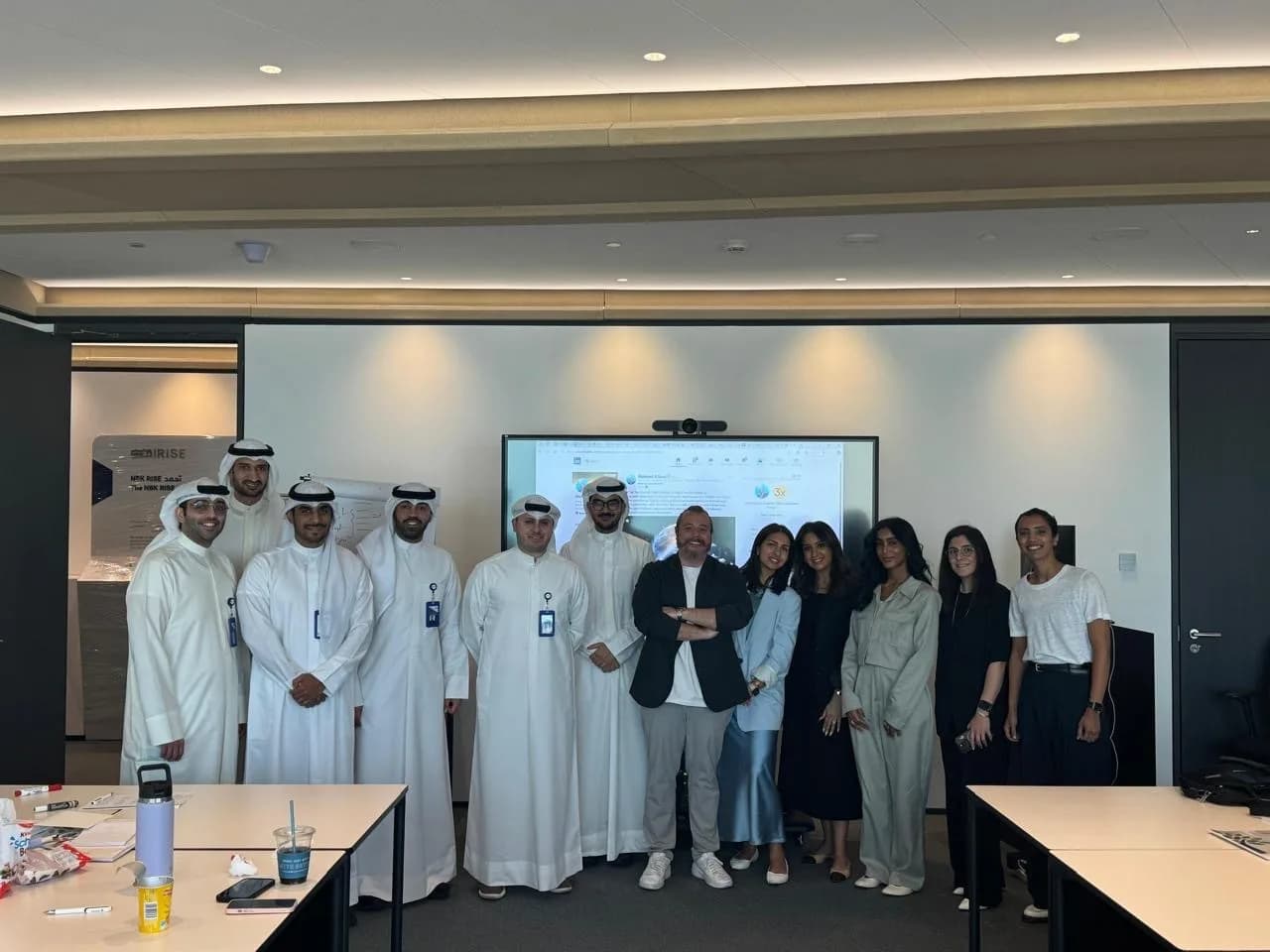
A group photo of NBK RISE programme participants with Mohamad Al Srouji in a training room, an NBK RISE poster on the wall.
NBK RISE · KuwaitWith NBK RISE programme participants after an AI workshop, Kuwait.
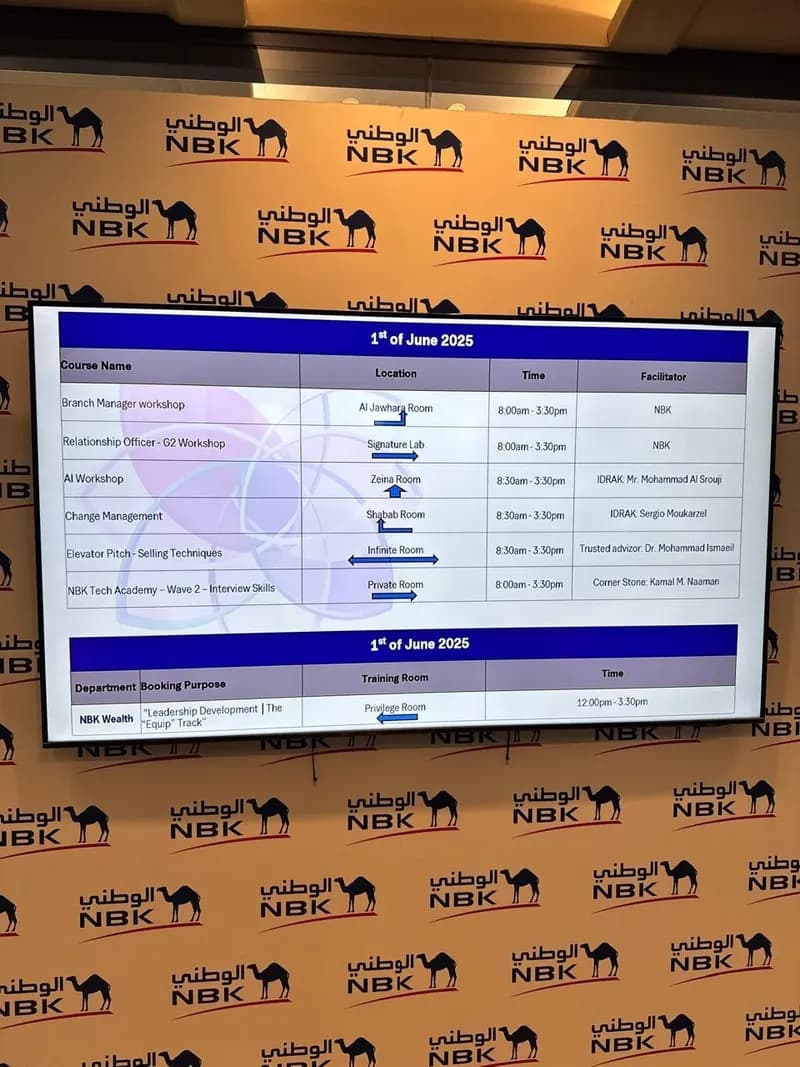
The NBK Tech Academy schedule screen on an NBK-branded backdrop, listing the AI Workshop in the Zeina Room facilitated by Mr. Mohammad Al Srouji on 1 June 2025.
NBK Tech Academy schedule naming the AI Workshop and its facilitator, 1 June 2025.
NBK Tech Academy, Kuwait

In the room at NBK RISE: an AI workshop inside National Bank of Kuwait

The AI workshop was delivered to participants in NBK RISE, National Bank of Kuwait’s leadership programme, in NBK’s own training room. It was taught from the work the Assentify team does every day: document extraction, screening and flow orchestration.

Assentify delivers AI training and workshops as a service line alongside the platform. If your institution runs an academy or a leadership programme, the training page describes the formats.

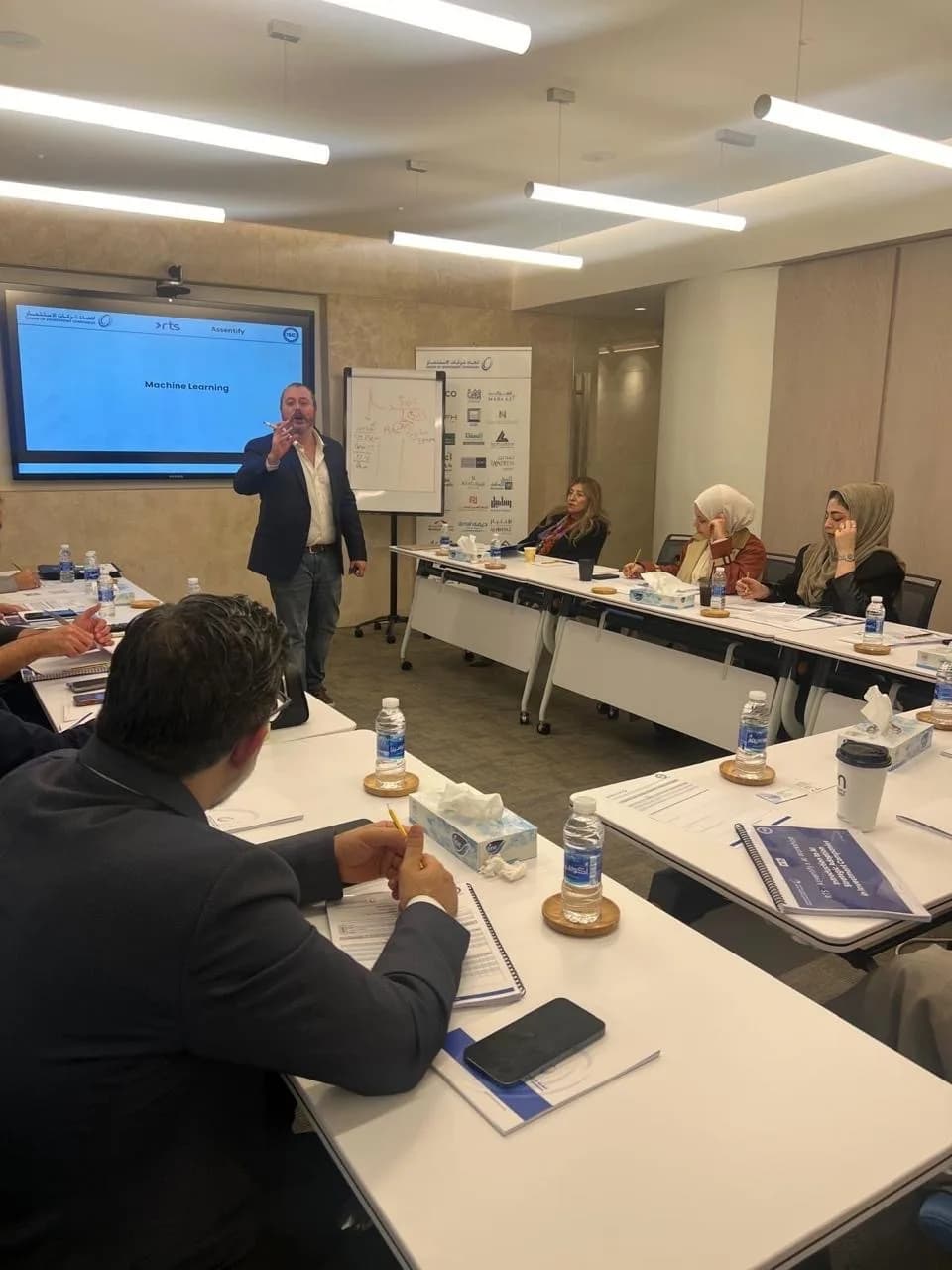
Mohamad Al Srouji delivering a Machine Learning training session at the Union of Investment Companies, with the UIC, rts and Assentify marks on screen and the member logo wall beside it.
Union of Investment Companies · KuwaitMachine Learning training at the Union of Investment Companies, Kuwait.
Union of Investment Companies, Kuwait

Machine Learning training at the Union of Investment Companies, Kuwait

The screen in the room carried three marks side by side: the Union of Investment Companies, rts, and Assentify. Beside it stood the association’s member logo wall, the investment companies of Kuwait gathered into one frame.

An association audience is a specific teaching problem. The room holds member companies with different systems, different data maturity and different questions, and the material has to hold for all of them at once. So the training was taught from worked examples: what a model is, what it needs, where it fails, and what a member firm can do with its own data on Monday.

Kuwait is a market where the platform already runs, and the training work runs beside it.

The training service page describes what a session like this looks like when your organisation books one.

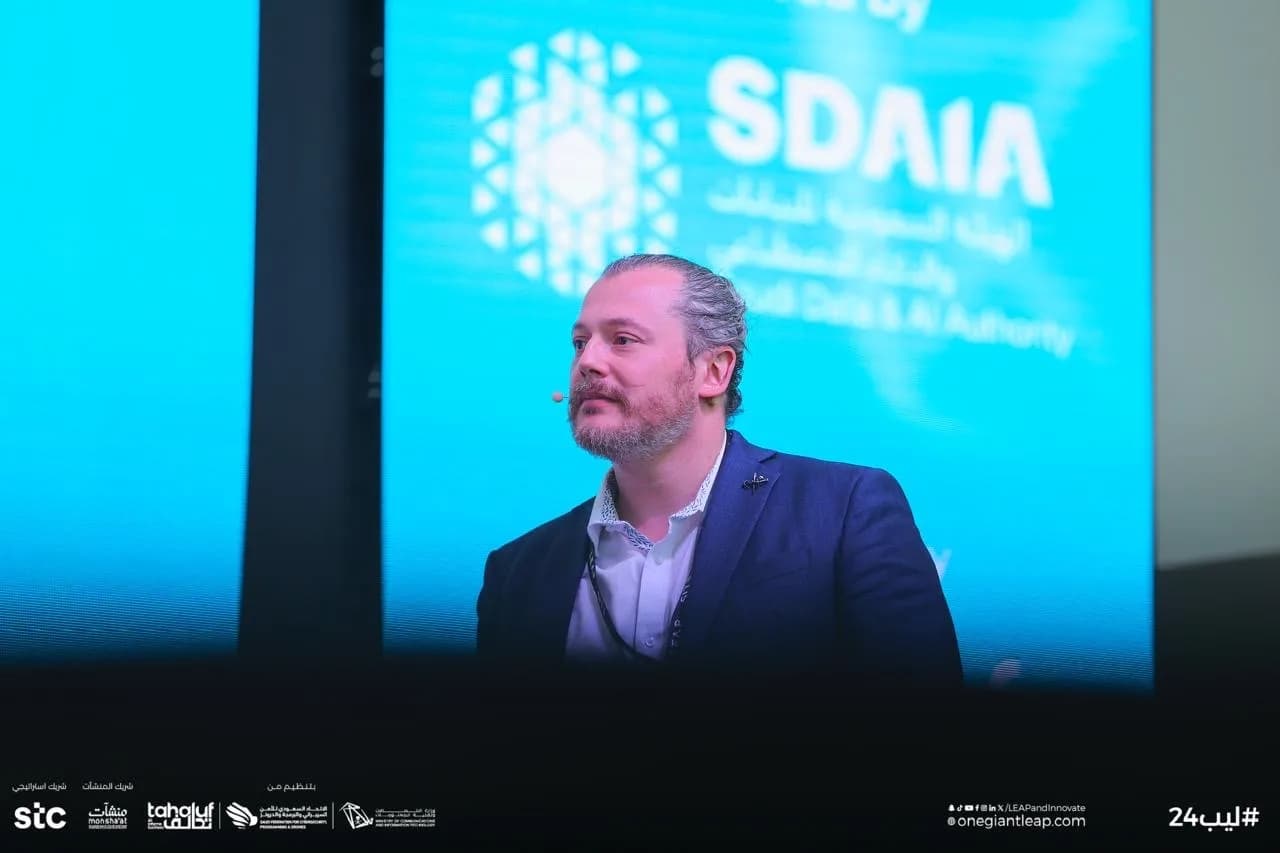
Mohamad Al Srouji speaking on stage at the SDAIA session at LEAP 2024, with the Saudi Data and AI Authority backdrop and the LEAP24 partner strip.
LEAP24, SDAIA session · Saudi ArabiaOn stage at the SDAIA session, LEAP 2024, Riyadh.
LEAP24, Riyadh, Saudi Arabia

On stage at the SDAIA session, LEAP 2024, Riyadh

LEAP is the region’s biggest technology event, and in March 2024 it filled Riyadh again. The photograph shows the session hosted by SDAIA, the Saudi Data and AI Authority: the authority’s backdrop behind the stage, the LEAP24 mark on the set, and the partner strip carrying stc, tahaluf and the Saudi Federation.

Our CEO, Mohamad Al Srouji, is the speaker on that stage, at the data and AI authority’s own session during the country’s flagship technology event.

Saudi Arabia writes its own rules on identity and data, and its institutions evaluate vendors with the seriousness the scale deserves. LEAP has become the calendar moment when that market meets its vendors in one place. The Saudi eKYC page covers the regulatory picture in the detail a compliance team needs.

On stage

The stage carried the banners of the Lebanese Association of Actuaries and the Society of Actuaries.

LAA annual conference, Lebanon

AI: From Data to Decisions, keynote at the Lebanese Association of Actuaries

The keynote was titled AI: From Data to Decisions, and it was delivered by Mohamad Al Srouji at the annual conference of the Lebanese Association of Actuaries. The association’s banners framed the stage beside those of the Society of Actuaries, the international body many Lebanese actuaries qualify through.

Actuaries are the hardest audience an AI talk can face, in the best way. They price risk for a living, they know the mathematics behind a model, and they are professionally suspicious of anything nobody can explain. A keynote for that room has to move from data to decisions in steps that survive scrutiny, which is exactly what the title promised.

Lebanon is where part of our research and development lives, and the professional community there is one we teach in as well as build in.

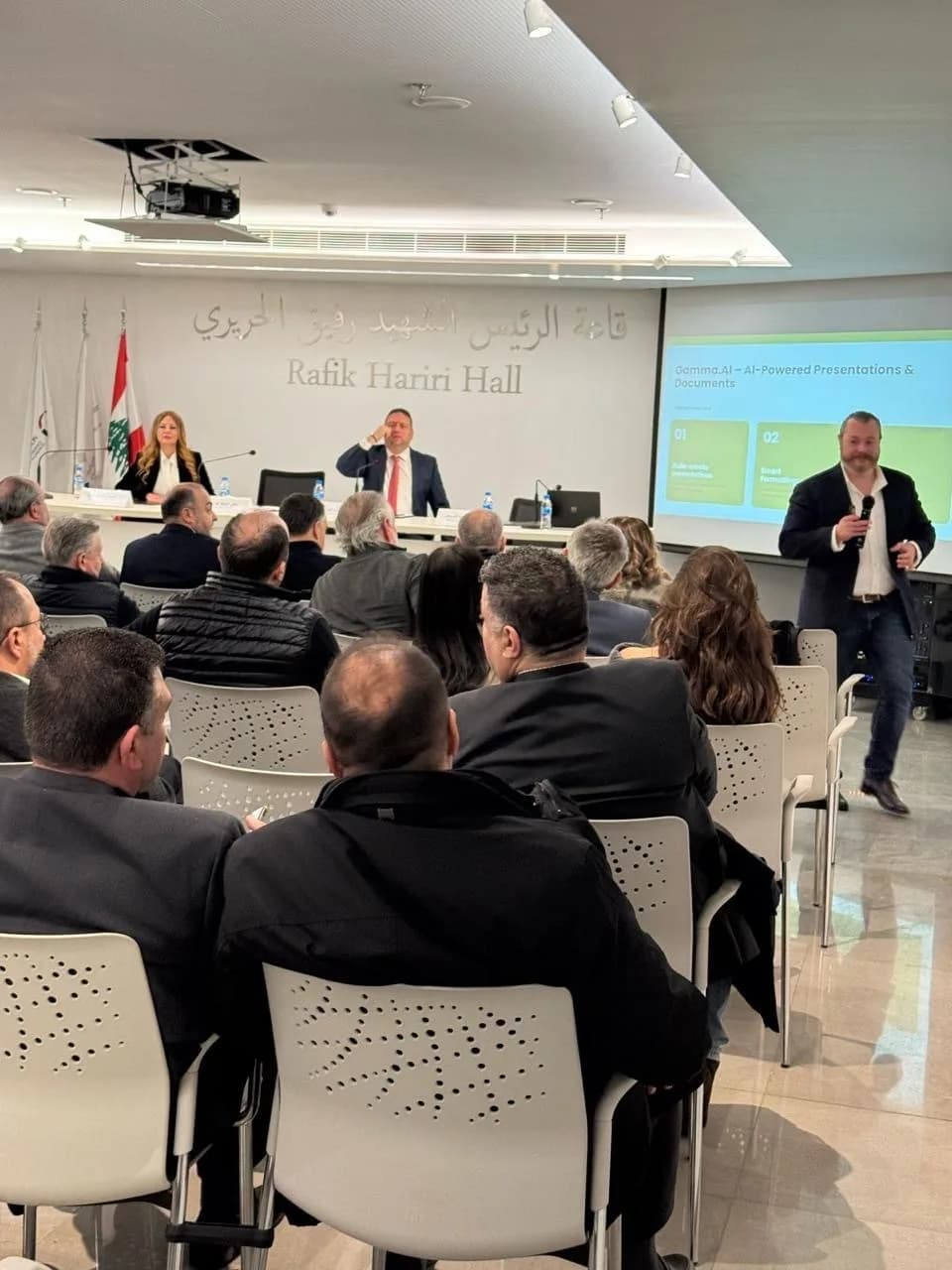
Mohamad Al Srouji presenting AI tooling to a full audience in Rafik Hariri Hall in Beirut, with the hall name and the Lebanese flag behind the panel table.
Rafik Hariri Hall · LebanonPresenting AI tooling to a professional audience at Rafik Hariri Hall, Beirut.
Rafik Hariri Hall, Beirut, Lebanon

A full hall in Beirut: presenting AI tooling at Rafik Hariri Hall

Rafik Hariri Hall in Beirut was full for a session in which Mohamad Al Srouji presented AI tooling to a professional Lebanese audience, with the Lebanese flag behind the panel table.

Questions were part of the format, from a hall of practitioners who could ask the awkward question in person.

Lebanon is one of the two places Assentify’s research and development lives, and the place where the platform runs on GPU servers inside the country.

Written from work

Written about what runs in production.

Assentify writes about document liveness, tampering detection, de-duplication, transliteration and screening profiles because they are running in production for over thirty subscribers and hundreds of thousands of transactions a day.

Questions

About this blog.

Start

Reading about it is slower than building one.

We provision a real tenant on your own subdomain with a sandbox allowance and the hub you want to try. Build a flow, publish it, and see whether it holds up against your own documents.