Country guides
eKYC, country by country.
Six markets, each with its own identity rail, its own regulator, its own signature law and its own answer to where the data has to sit.
- Markets
- 6
- Identity rails
- 5
- Hard residency rules
- 3
- Platform
- 1
The cluster
Six markets, six guides
Each guide covers the identity scheme, the regulator, the signature law, data residency, SIM registration and the capabilities that matter in that market.

Side by side
The six markets on one page
The columns are the questions that decide an architecture. Read across a row to design a country, read down a column to see why one platform has to be configurable.
| Market | Identity rail | Regulator | eKYC rule | Signature | Residency | Telecom |
|---|---|---|---|---|---|---|
| Lebanon | None. Documents and biometrics | Banque du Liban, SIC | Basic Decision 7548, rewritten 9 Jan 2026 | Law 81 of 2018, no operational accreditation | Local Data Hosting, Article 7 | No published biometric SIM rule |
| United Arab Emirates | UAE Pass, 12M+ users | CBUAE, TDRA | AML/CFT Rulebook; national platform announced Apr 2026 | Three tiers, Decree-Law 46 of 2021 | Master System of Record in the UAE | Biometric SIM re-registration since 2016 |
| Qatar | Tawtheeq, the NAS | QCB, CRA | E-KYC Regulation, effective 9 Oct 2023 | Simple electronic signature only | Primary storage and processing in Qatar | CRA framework names facial recognition |
| Kuwait | PACI Civil ID, Mobile ID, Sahel | CBK, CITRA | General AML instruction, no dedicated eKYC circular found | Four conditions, Law 20 of 2014 as amended | CITRA classification, Highly Sensitive in country | SIM tied to Civil ID, no biometric mandate found |
| Saudi Arabia | Nafath, 23.5M+ users | SAMA, SDAIA, CST | Digital ID accepted in the SAMA Rulebook | Electronic Transactions Law | PDPL plus national controls | Biometric SIM registration since 2016 |
| France | FranceConnect, France Identité, EUDI Wallet | ACPR, AMF, ANSSI | Vigilance measures in the CMF, PVID as the expected route | Simple, advanced and qualified under eIDAS | No general localisation, sovereignty labelling | Identification required, no biometric mandate |
The Gulf regulates residency hard and Europe does not, which inverts the usual assumption that European rules are the strict ones. The signature column is the most fragmented. A document that needs a qualified signature in France may need only a simple electronic signature in Qatar, and in Kuwait the test is four statutory conditions rather than a tier.
Where a regulator writes the technical control into the rule, as Qatar did with randomised real-time actions and annual biometric performance reporting, procurement becomes a scorecard. Where the rule is general, as in Kuwait, the institution defends its own control design, and the weight falls on the evidence the platform produces.
Residency
Processed in Lebanon. Stored on your premises in the Gulf.
Banque du Liban requires local data hosting. The CBUAE requires the Master System of Record to stay in the country. The QCB requires the primary environment for storage and processing to sit in Qatar. CITRA classifies data and pins the highly sensitive class inside Kuwait.
In Lebanon, Assentify processes in country on its own cloud and GPU servers. In the UAE, Kuwait, Qatar, Bahrain and Syria: Assentify processes in its own cloud and keeps zero trace there. The data is stored on premise at the client. Capital Outsourcing runs the Security Operation Center and Network Operation Center for Assentify Cloud, 24/7, under a service level agreement.
Market
Pick a step
Where it runs
The client’s phone or browser
Web link, WhatsApp or your app
- This step
Assentify Cloud, in Lebanon
Own cloud and GPU servers, in country
Data persistence
On cloud or on premise, per tenant
Document read. A vision model reads the document on Assentify’s GPU servers inside Lebanon.
Capital Outsourcing runs the Security Operation Center and Network Operation Center for Assentify Cloud, 24/7, under a service level agreement.
In person
We present, train and deploy in these markets.
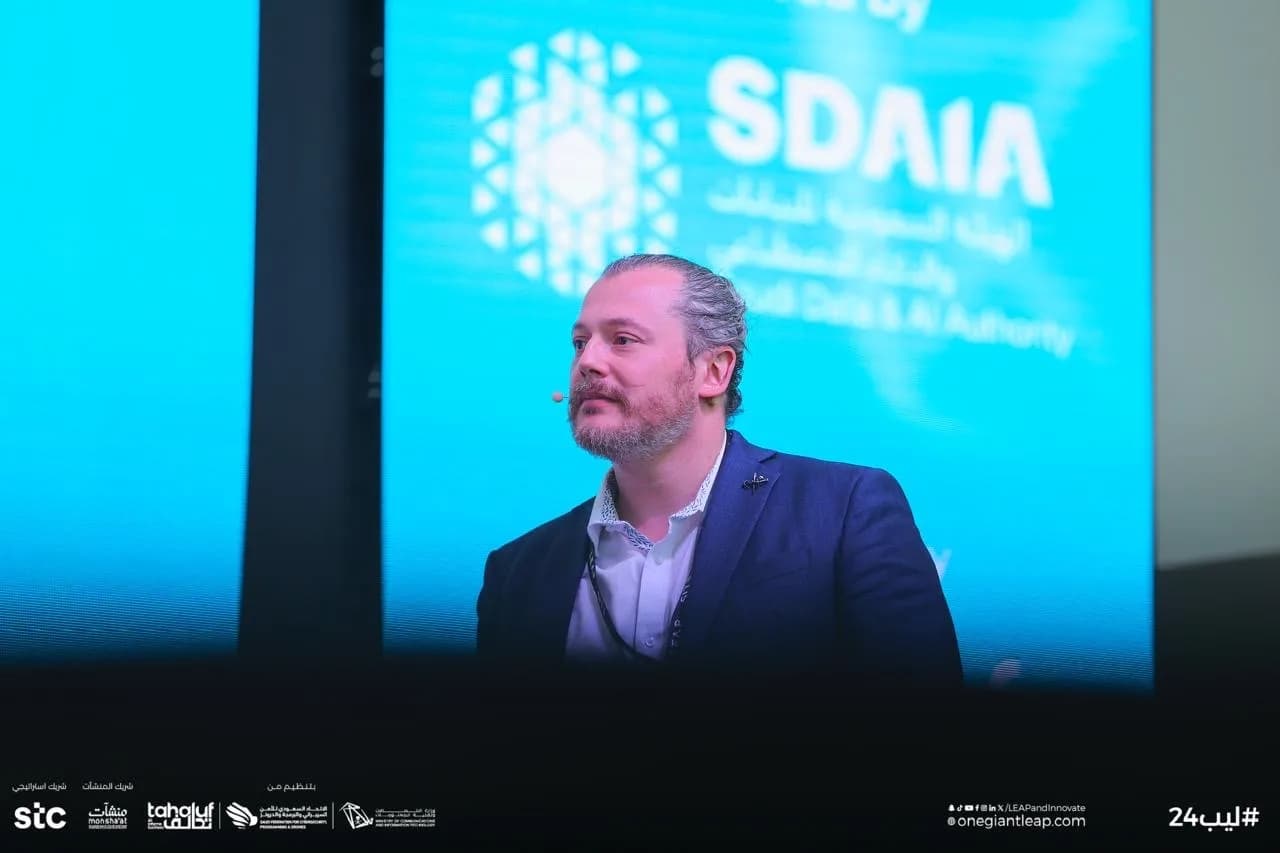
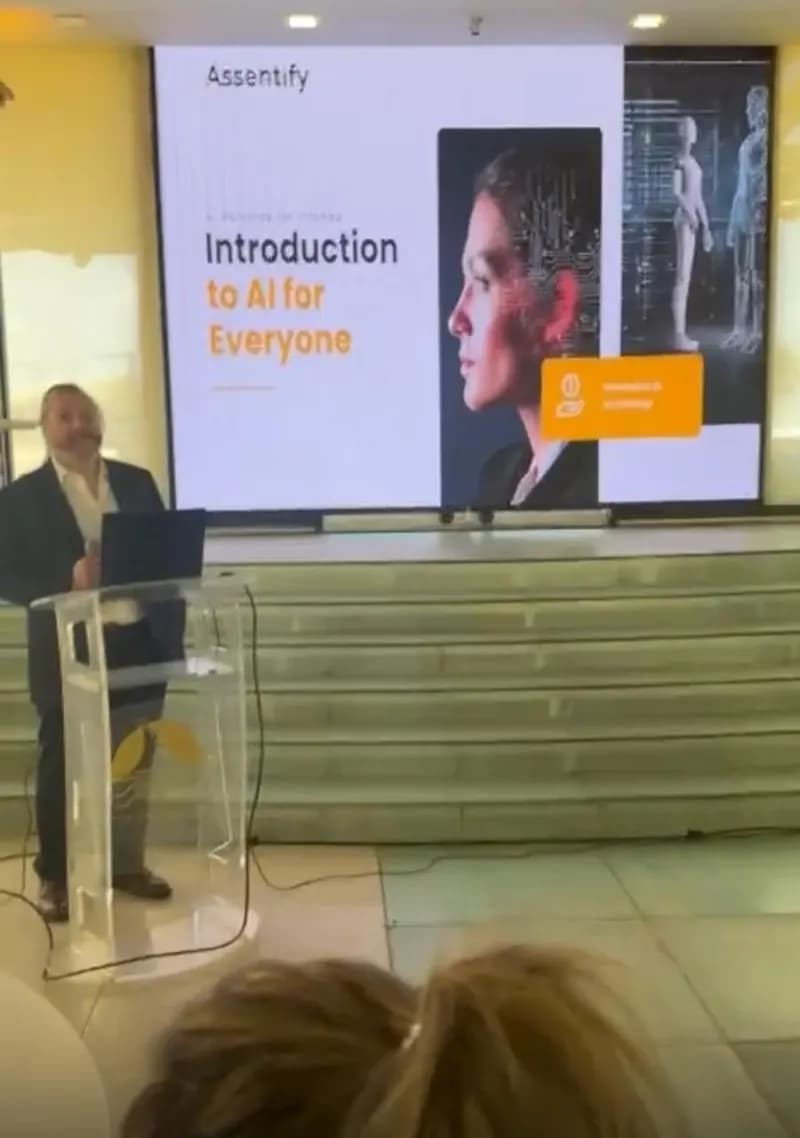
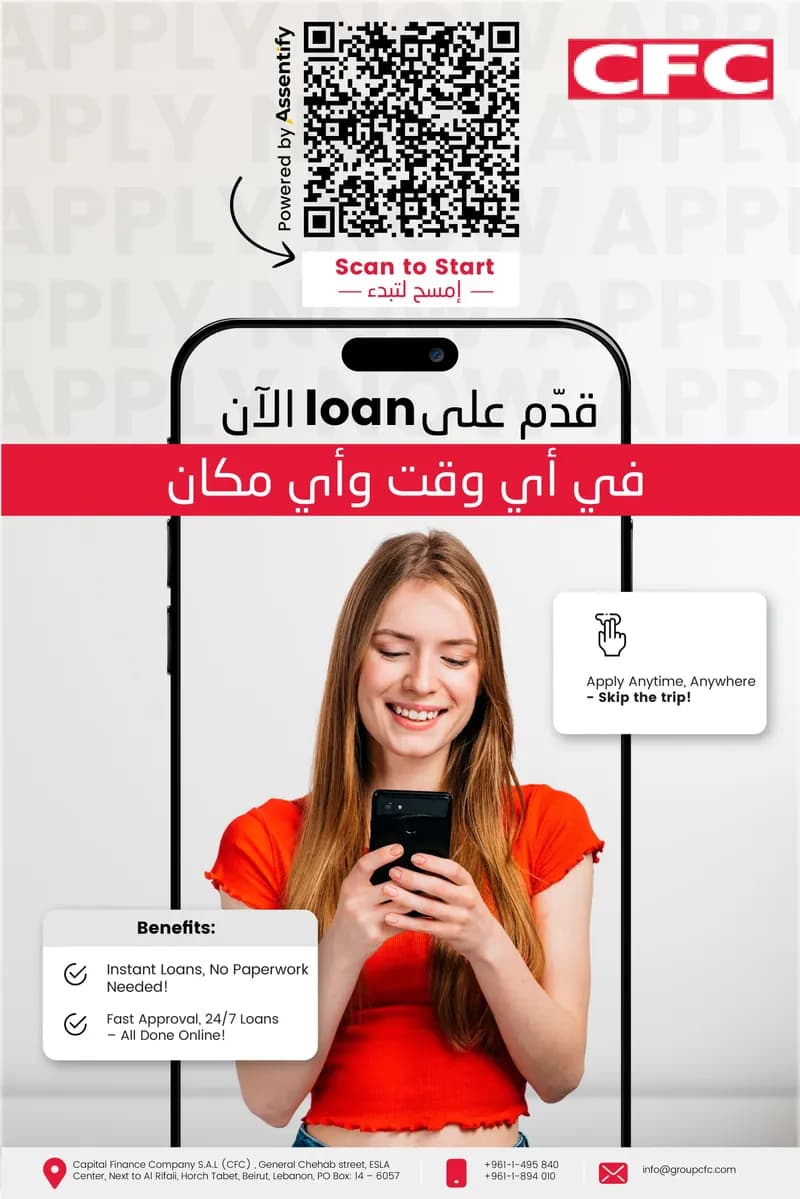
The team spoke in the SDAIA session at LEAP 2024 in Riyadh and runs Introduction to AI for Everyone sessions. In Lebanon, a client campaign poster carries a QR code that opens an Assentify flow.
The constants
What is true in all six markets
The rules differ. The shape of the work does not.
The licence belongs to the institution
In every market in this cluster, the approval to onboard remotely attaches to the bank, the financial institution, the payment provider or the operator. No technology vendor holds it, and none can obtain it on your behalf.
Residency is decided before features
The UAE writes it around the Master System of Record. Qatar writes it around the primary environment for storage and processing. Kuwait writes it into a data classification. Lebanon writes it as Local Data Hosting. France writes no mandate at all and procures sovereignty anyway. In each case the question is where the record sits and who can reach it.
The national rail never covers everyone
UAE Pass, Tawtheeq, Kuwait Mobile ID, Nafath and France Identité all cover nationals and residents. Every economy here also runs on visitors, new arrivals, expatriates mid-process and corporate signatories abroad. Those clients are onboarded with a document, a face and a liveness check, and the institution keeps its own evidence.
The signature level is a design decision
France runs a three-level European ladder where qualified status belongs to listed trust service providers. The UAE runs three tiers of its own with a national trusted list. Qatar recognises one level. Kuwait sets four conditions instead of tiers. The same document can need different treatment in each, so the signing step is mapped per market.
The evidence file is the real deliverable
Whatever the market, the thing a supervisor reads is one record: the documents captured, the selfie beside the reference image, the match percentage, the liveness result, every list searched, the decision, the user and the timestamps. If a platform cannot produce that in one place, the institution reconstructs it by hand at exactly the wrong moment.
Six vendors, or one platform
A regulated business usually buys from six vendors. They cover identity verification, AML screening, digital signing, workflow engines, real-time transaction risk assessment and risk based approach scoring, and custom AI processing pipelines. Assentify replaces all six with one contract, one integration and one audit trail.
Questions
Country guides, answered.
Six markets: Lebanon, the United Arab Emirates, Qatar, Kuwait, Saudi Arabia and France. Each guide covers the national digital identity scheme, the regulator and what it requires for remote onboarding, the electronic signature law and which levels are recognised, the data residency position, the telecom SIM registration requirement, and which Assentify capabilities matter most in that market.
Qatar, because the rule reaches processing and not only storage. Section 7.6 of the QCB Data Handling and Protection Regulation requires the primary environment, meaning main data storage and processing, for personal, sensitive personal and sensitive financial information to reside within the State of Qatar. The UAE is close behind with Article 6.1 of the CBUAE Outsourcing Regulation, which requires the Master System of Record including all Confidential Data to be continuously maintained and stored within the UAE. Lebanon requires storage in country under Article 7 of Basic Decision 7548, Kuwait runs a classification model under the CITRA cloud framework, and France has no general localisation mandate at all.
Qatar is the market that names liveness in the regulation itself. The QCB E-KYC Regulation permits randomised real-time actions, such as head tilting, nodding, or eye movement, to confirm the person’s presence and deter fraud. Very few regulators write the interaction model into the rule, which makes active liveness a named, checkable control in Qatar rather than a vendor claim. The same regulation requires entities using biometric systems to report performance metrics to the QCB annually, so the biometric performance of the platform becomes a filed number rather than a marketing one.
No, but you do need a platform that can be configured and deployed differently in each. The identity rail changes, the liveness expectation changes, the signature level changes, the accepted documents change and the hosting model changes. What does not change is the shape of the work: capture, verify, screen, decide, sign, monitor and evidence. Assentify is one platform with a flow canvas, a residency model set per market, configurable liveness modes and screening that handles Arabic and Latin script, which is what lets one design survive six regulatory regimes.
Assentify holds ISO/IEC 27001:2022 certification, certificate IC-IS-2408273 issued by InterCert, certified on 31 August 2024 with recertification due 30 August 2027, and holds iBeta certification on its passive liveness. It does not hold ANSSI PVID certification in France, and it holds no central bank authorisation in any of these markets, because those approvals attach to licensed institutions rather than to technology suppliers. Assentify signing produces advanced, qualified-grade digital signatures. Signed PDFs carry Assentify’s Adobe Approved Trust List (AATL) certificate, so Adobe Acrobat and Reader show them as trusted. Signing keys are held in a hardware security module, and Assentify runs a local certificate authority in country.
Start
Pick a market. We will scope what is workable.
Tell us where the data has to sit, which identity rail you have to consume, and what a supervisor will ask to see. We will come back with a deployment shape and a flow design, before anyone writes a requirement document.