OCR and extraction
Every Lebanese ID. And the passport too.
Templated OCR for the documents your clients actually carry, machine readable zone parsing to ICAO 9303 for passports, Arabic and English in the same pipeline, and a recording of the extraction kept with the record.
- Lebanese identity documents read
- Every one
- Passports read through the MRZ
- ICAO 9303
- Arabic and English, one pipeline
- Both scripts
Field by field
From the document to the record, checked as it is read.
Every value lands on the client record with its source. The machine readable zone checks itself, the printed fields are checked against it, and Arabic is read as Arabic.
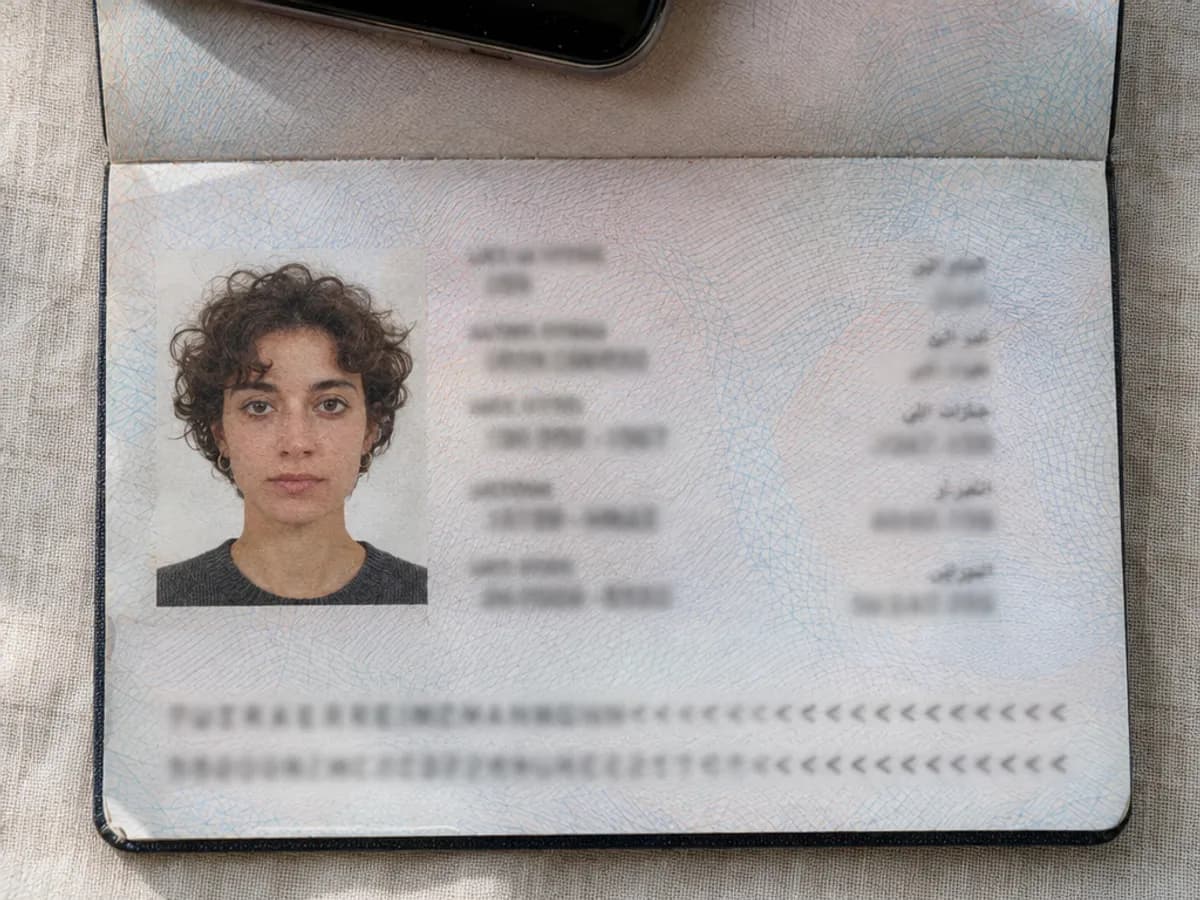
Four methods
Different documents need different reading.
Treating a passport, a Lebanese Civil ID and a civil extract with one generic model is how a vendor ends up with a support rate that looks broad and a field accuracy that is not.
MRZ, to ICAO 9303
The machine readable zone at the foot of a passport is fixed-width, uses a restricted character set, and carries check digits over the document number, the date of birth and the expiry date. So an MRZ read can be checked against itself, which printed text never can.
Templated OCR, per document
A Lebanese Civil ID, a driving licence and a civil extract each place their fields differently, in different scripts, fonts and artwork. Templated OCR built per document type knows where to look and what a valid value looks like there.
Arabic and English together
Arabic is right to left, letterforms change by position in the word, and diacritics carry meaning. An engine tuned only on Latin script produces plausible Arabic output that is subtly wrong. The Assentify extraction model reads both scripts.
Vision models, self-hosted
A fine-tuned vision language model runs on Assentify’s own infrastructure. Identity document contents never leave the deployment, and the model can be tuned on the documents you actually receive.
Before the model runs
Extraction quality is decided at capture.
The capture step guides the client until the document fills the frame, then takes the shot itself. A blurred frame turns an accurate model into an inaccurate result, so the platform does not leave the moment to chance.
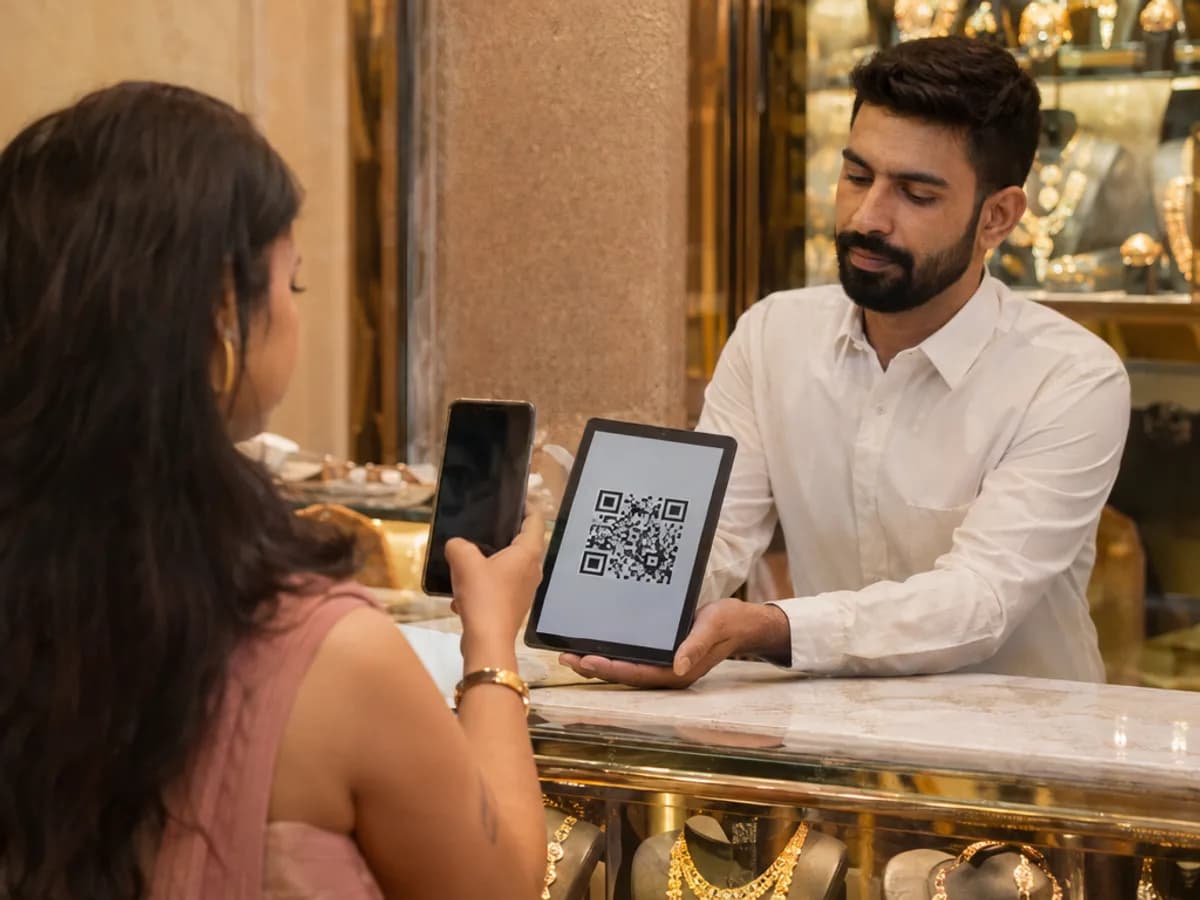
A client who starts on a desktop can hand the capture to a phone with a QR code. Phone cameras beat laptop cameras by a wide margin, so first-try success rises.
Coverage
Global identity documents, by market.
Coverage is usually counted in countries. What matters is whether the document your applicant is holding is covered.
Assentify templates identity documents market by market, alongside passports from any issuing state through the machine readable zone. That combination covers the two real cases in regional onboarding: a resident presenting a local card, and a non-resident or a traveller presenting a passport.
The capture step sets which countries and document types a flow accepts. Anything outside that set is reported as an unsupported document, and the dashboard counts it, so you can see whether your configured set matches your actual applicants.
Lebanese document set
- Lebanese Civil IDTemplated
- Lebanese passportTemplated
- Lebanese driving licenceTemplated
- Resident permitTemplated
- Civil extract, ikhraj qaidTemplated
- Palestinian refugee IDTemplated
- Syrian refugee IDTemplated
- Army cardTemplated
Documents by market
- Saudi Arabia: Civil ID, resident permit, driving licenceRead
- United Arab Emirates: Civil ID, resident permit, driving licenceRead
- Kuwait: Civil ID, resident permit, driving licenceRead
- France: Civil ID, resident permit, driving licenceRead
- Pakistan: Civil ID, all variationsRead
- Gambia: Civil ID, resident permitRead
- Any market: Passports through the machine readable zoneRead
New templates are added per market as clients need them. For a document that is not on this list, ask whether it is templated today.
The regional difference
An engine that reads only Latin script reads half of Lebanon.
Regional documents are bilingual, and the Arabic side carries the name your regulator cares about. Read it correctly and the client record matches the civil register. Read it badly and it quietly does not.
Evidence
The extraction itself is recorded.
Assentify keeps a live audit video of the extraction process alongside the captured image, the artefact that settles a dispute.
Replayable capture
What the camera saw during extraction, kept with the interaction and viewable by an authorised reviewer.
Processed in country
In Lebanon the whole vision pipeline runs on Assentify Cloud with local GPU servers, so document contents never cross the border.
Branch Assisted Mode
At the counter, the same capability.
Document capture at a counter reads with the same templates. The step can hand the capture to a phone by QR code, default to mobile capture, or scan on mobile only.
- The same published flow, with a member of staff holding the device
- Allow Support, set on the flow in Flow Builder
- The same reviewer queue, flags and decision buttons
- One client record and one audit trail across channels
Questions
OCR and extraction, answered
Assentify supports every Lebanese identity document, including the Lebanese Civil ID, the Lebanese passport, the driving licence, the resident permit, the civil extract known as the ikhraj qaid, the Palestinian refugee ID, the Syrian refugee ID and the army card. Support is templated per document type and covers Arabic as well as English, which is what makes the full set possible rather than only the documents that carry a machine readable zone.
The machine readable zone is the block of fixed-width characters at the foot of a passport and many identity cards, standardised by ICAO 9303 so that machines can read travel documents consistently anywhere in the world. It matters because it is self-checking: the zone carries check digits over fields such as the document number, the date of birth and the expiry date, so an altered or misread value is detectable rather than merely unlikely. Assentify processes the MRZ when the capture step is set to allow passports.
Yes, the extraction model runs Arabic and English, and the platform is built for bilingual regional documents rather than adapted to them. Arabic is right to left, letterforms change according to their position in a word, and diacritics change meaning, so an engine tuned only on Latin script will produce confident output that is quietly wrong. Assentify also applies transliteration between Arabic and Latin script inside compliance screening, which is a separate but related problem.
Assentify supports identity documents by market, currently including Saudi Arabia, the United Arab Emirates, Kuwait, France, Pakistan and Gambia across civil IDs, resident permits and driving licences, plus passports from any issuing state through the machine readable zone. New document templates are added per market as clients need them, which is the practical difference between a templated approach and one that only reads whatever a generic model recognises.
The live audit video is a recording of the extraction process itself, kept with the interaction so a reviewer can replay what the camera saw rather than reasoning from one stored still image. Assentify records this for document extraction and for face matching. It answers the question that arrives eighteen months after an onboarding, when a client disputes a record and the person who approved it has left the institution.
Extracted values are mapped onto the flow data points and can pre-fill the Assisted Data Entry step, so the client corrects a form instead of typing one, which cuts drop-off. Any value the client edits sets the Modified flag on the interaction, so a reviewer always knows which fields came from the document and which came from a person. The same data points drive screening, decisions, the client profile and document templates.
Start
Send us the document you think will break it.
The worn card, the bad photocopy, the one with the handwritten correction. Extraction quality is decided on the difficult documents.